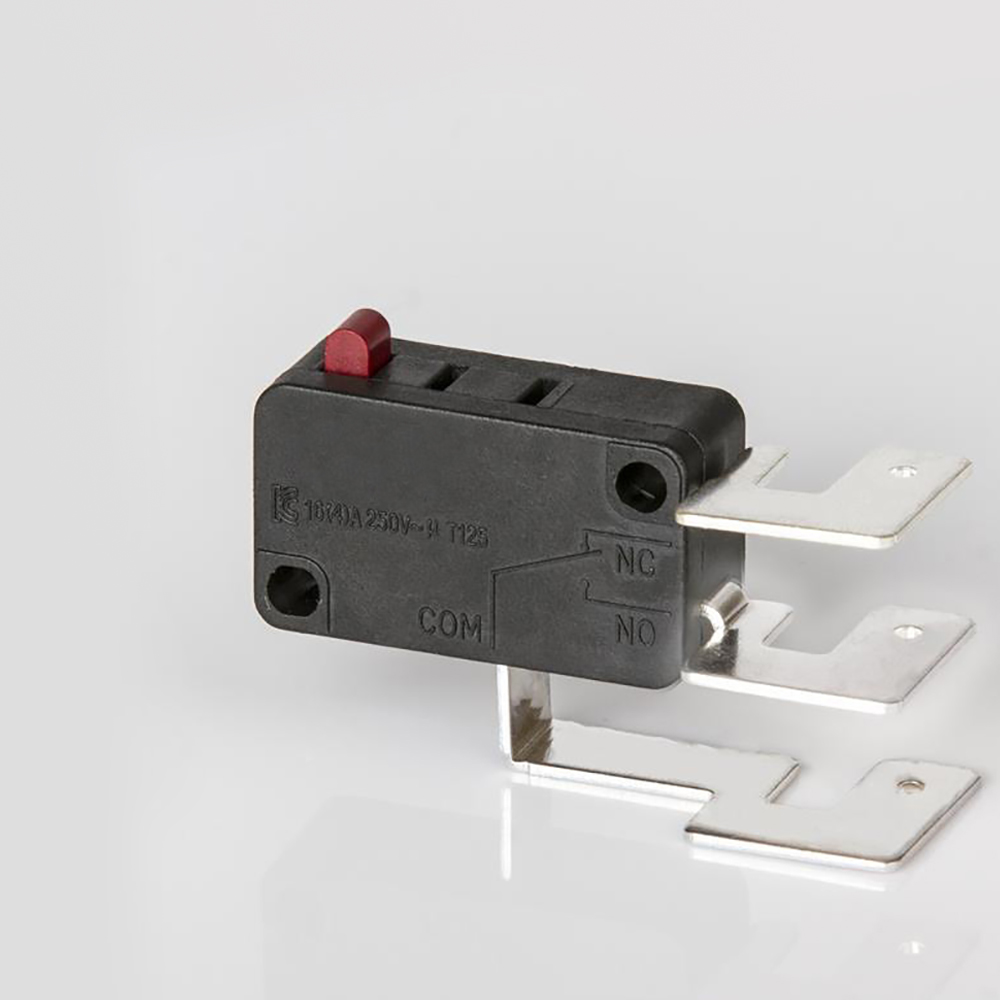
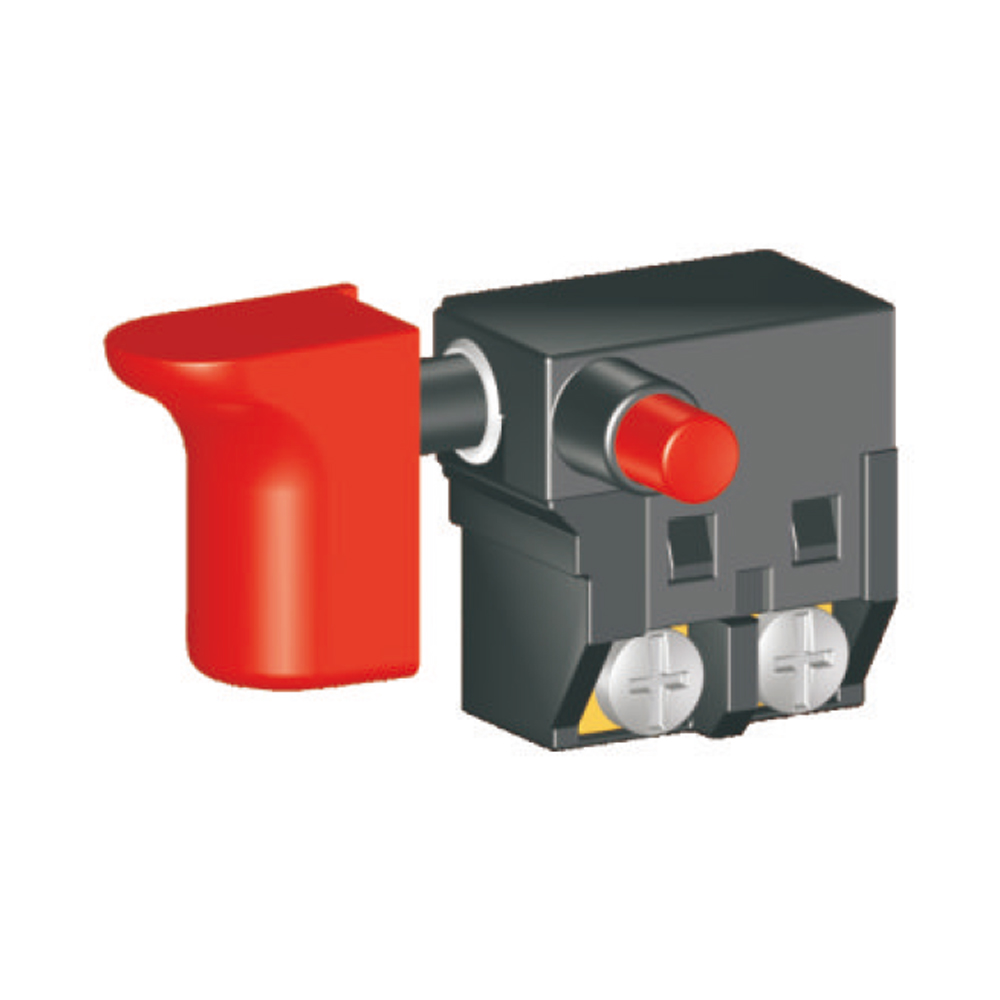
The mechanical design of a micro switch is a key factor that determines its performance and durability. A micro switch typically consists of multiple components, including springs, contacts, and a housing. The materials and structural design of these components directly affect the operating feel and reliability of the switch. During the design process, the selection of appropriate materials is particularly critical, especially in applications involving high loads and high switching frequencies, where material rigidity and elasticity must withstand long-term mechanical fatigue. To ensure stability and safety under extreme conditions, engineers commonly select materials with high resistance to temperature, voltage, and corrosion.
The structural design of a micro switch should also take into account the fit and coordination between individual components. Proper clearances and connection methods can reduce wear and help maintain stable electrical performance over long-term operation. Through design optimization, micro switches can achieve smaller size and lighter weight without compromising functionality, thereby meeting modern equipment requirements for miniaturization and high reliability.
Durability analysis of micro switches typically involves a range of tests and evaluations. Static and dynamic fatigue tests are conducted to assess the mechanical performance of the switch during long-term use. These tests simulate real operating conditions to evaluate stability and consistency under frequent actuation. The results help design teams identify potential design weaknesses at an early stage and implement necessary improvements.
Environmental testing is also a crucial part of durability analysis. Such tests include simulations of extreme conditions such as high and low temperatures, humidity, and dust exposure, aiming to evaluate the operational performance and service life of micro switches under adverse environments. This approach ensures that micro switches maintain efficient and reliable operation across various application scenarios and meet user expectations for product stability.
The mechanical design and durability analysis of micro switches is not an isolated task but a comprehensive, multidisciplinary process. During the design phase, factors such as materials, structure, and operating environment must be considered holistically to ensure overall switch performance. Achieving long service life requires thorough analysis at an early stage to minimize the need for frequent maintenance and replacement, thereby enhancing end-user satisfaction.
In this process, rapid product development and a well-established quality control system are also indispensable. They ensure that the designed micro switches deliver consistent quality and performance once released to the market. The success of a micro switch relies not only on innovative engineering design but also on rigorously validated reliability testing, enabling it to maintain outstanding performance amid evolving market demands.